

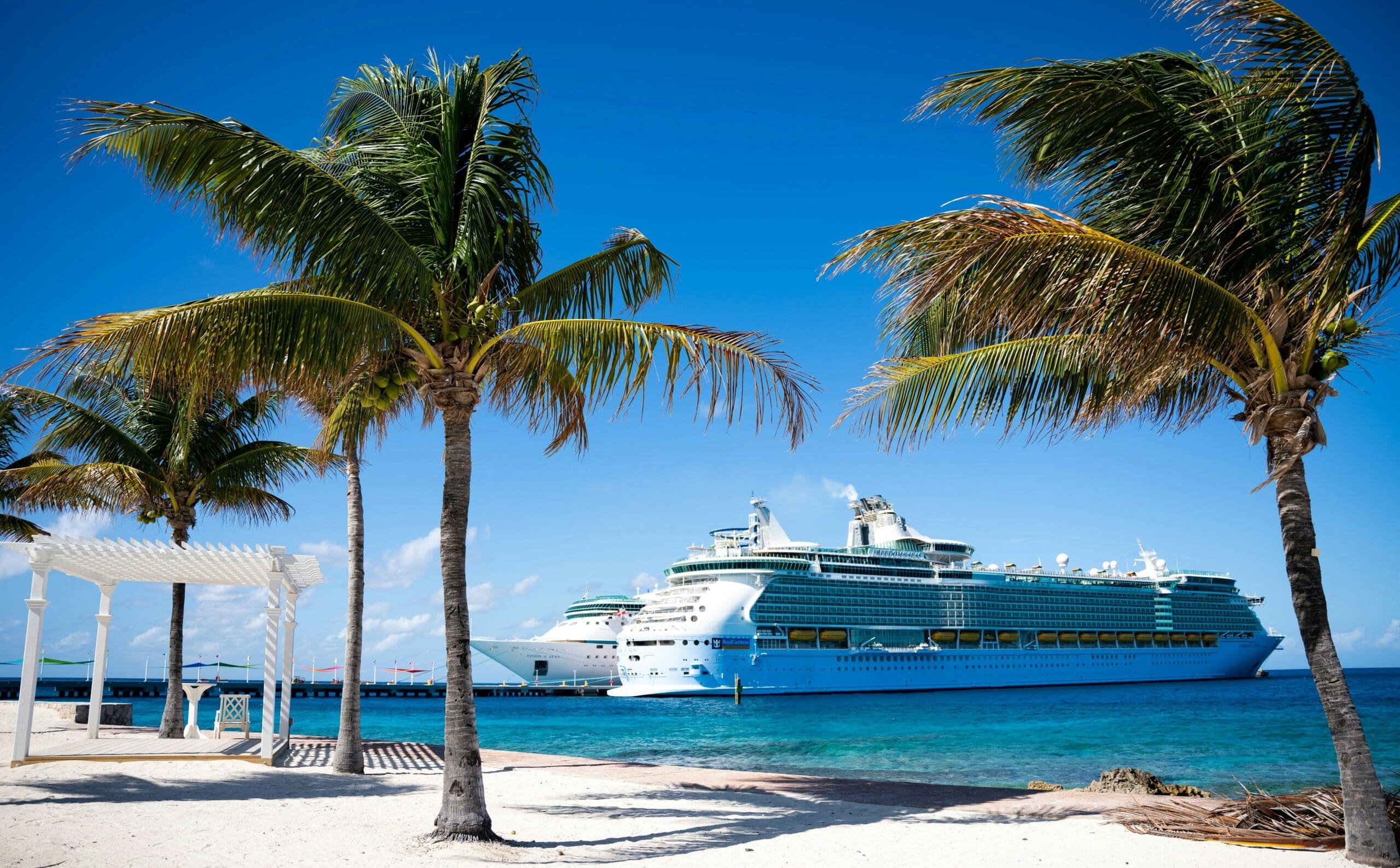
One of the biggest mistakes first-time solo cruisers make is overpaying for their cruise. While cruising can be one of the most affordable ways to travel, solo travelers often face higher prices because cruise fares are traditionally designed around double occupancy. Add in drink packages, excursions, port taxes and fees, and the cost of a solo cruise can climb quickly if you are not careful.
The good news is that experienced solo cruisers know how to book strategically. From choosing the right cabin type to booking during the right season, there are plenty of ways to save money without sacrificing the overall experience.
If you are planning your first solo cruise or simply want to cruise smarter, these booking strategies can help you stretch your budget while still enjoying an incredible vacation.
Understand the Single Supplement Before You Book
The first thing every solo cruiser should understand is the single supplement. Most cruise fares are priced assuming two people will share a cabin. When one person books the cabin alone, the cruise line often charges an additional fee to compensate for the missing second passenger.
This is why solo travelers sometimes see prices that are significantly higher than the advertised “per person” cruise fare.
However, not all cruise lines handle solo pricing the same way. Some cruise lines now offer dedicated solo cabins designed specifically for one traveler. These cabins are usually smaller than standard staterooms, but they eliminate or greatly reduce the single supplement.
Norwegian Cruise Line remains one of the best options for solo cabins, with Studio Cabins and solo lounges available on many ships. Virgin Voyages, Celebrity Cruises, Royal Caribbean, and Holland America have also expanded their solo cabin offerings in recent years.
Booking a true solo cabin can save hundreds or even thousands of dollars compared to paying a full single supplement on a standard room.
Book During Shoulder Season for the Best Prices
Timing matters more than many travelers realize. Cruise prices fluctuate constantly based on demand, school schedules, holidays, and weather patterns.
For solo travelers, shoulder season is often the sweet spot between affordability and good weather. Shoulder season generally includes:
- April through early June
- September through early November
During these periods, cruise prices are often significantly lower than peak summer and holiday sailings. Ships are also less crowded, and the onboard atmosphere tends to feel more adult-oriented because there are fewer families and children traveling.
If your schedule is flexible, avoiding Christmas, New Year’s, Spring Break, and mid-summer sailings can dramatically reduce your cruise costs.
Be Flexible With Your Departure Port
Many solo cruisers focus only on one nearby departure port, but broadening your options can sometimes unlock major savings.
For example, Caribbean cruises departing from Miami, Fort Lauderdale, Port Canaveral, or Galveston may have vastly different pricing even when sailing similar itineraries. Sometimes airfare to a different port combined with a cheaper cruise fare still ends up costing less overall.
Repositioning cruises can also offer excellent value. These one-way cruises happen when ships move between regions for seasonal changes, such as sailing from Europe to the Caribbean in the fall. Because repositioning cruises include more sea days and fewer ports, they are often priced much lower on a per-day basis.
Solo travelers who enjoy relaxing onboard frequently find repositioning cruises to be some of the best deals available.
Know the Best Time to Book a Cruise
There is a common myth that booking at the last minute always leads to the cheapest prices. While last-minute deals do exist, they are far less predictable for solo travelers because solo cabins and reduced single supplement inventory often sell out early.
In general, there are two smart booking windows for solo cruisers.
The first is booking very early, usually six to twelve months before sailing. Cruise lines often release their best promotions early, especially for solo cabins and specialty itineraries like Alaska or the Mediterranean.
The second strategy is booking within sixty to ninety days of departure. Cruise lines sometimes lower prices to fill remaining cabins, particularly during slower travel periods.
However, last-minute booking works best for travelers with flexible schedules and fewer destination preferences.
Watch for “No Single Supplement” Deals
One of the best ways to save money as a solo cruiser is by finding cruises with reduced or waived single supplements.
Cruise lines periodically run special promotions offering:
- Reduced single supplements
- No single supplement fares
- Extra onboard credit for solo travelers
- Free cabin upgrades
These deals are often available during wave season, which runs from January through March and is considered the biggest cruise booking season of the year.
Because these promotions change constantly, working with a travel advisor who specializes in cruising can help you spot deals quickly before they disappear.
Interior Cabins Can Be a Smart Financial Move
Many first-time cruisers assume they need a balcony cabin to enjoy the experience, but that is not always true for solo travelers.
If you plan to spend most of your time exploring the ship, attending shows, relaxing by the pool, or exploring ports, an interior cabin can offer tremendous value. Modern cruise ships are designed with countless public spaces, meaning many travelers spend very little time in their cabin.
Interior cabins are often hundreds or even thousands of dollars cheaper than balcony rooms.
That said, balcony cabins may be worth the extra cost for scenic itineraries like Alaska, Norway, or transatlantic cruises where the ocean views become a major part of the experience.
Skip the Extras You Will Not Actually Use
Cruise lines are extremely good at upselling passengers once the booking process begins. Drink packages, specialty dining, spa packages, internet plans, and excursion bundles can quickly double the cost of your vacation.
Before purchasing extras, ask yourself whether you will genuinely use them enough to justify the cost.
Drink packages are a perfect example. While unlimited beverage packages sound appealing, many solo travelers do not consume enough drinks daily to break even. In some cases, paying individually for drinks saves far more money.
The same logic applies to specialty dining. Most cruise ships already include a large amount of complimentary food, and many travelers find the included dining options more than sufficient.
Being selective about add-ons can dramatically reduce your overall cruise cost without negatively affecting your experience.
Compare Total Cruise Cost, Not Just the Base Fare
When comparing cruises, solo travelers should consider the total trip cost, including:
- Taxes and port fees
- Gratuities
- Airfare
- Hotel stays before the cruise
- Excursions
- Wi-Fi
- Drink packages
- Transportation to and from the port
Sometimes a slightly more expensive cruise actually ends up being the better value once everything is included.
For example, some cruise lines include Wi-Fi, drinks, specialty dining, or gratuities in their fares, while others charge separately for every extra.
Looking at the total cost rather than just the advertised fare helps avoid surprises later.
Monitor For Price Drops
Cruise prices change frequently, sometimes even after you book. Many travelers do not realize that if the price drops before the final payment, you may be able to reprice your booking and save money, so it’s always smart to monitor fare changes. Working with a travel advisor can also help because many advisors track pricing for clients and request adjustments when eligible.
Final Thoughts
Solo cruising does not have to be expensive. In fact, with the right strategy, solo travelers can often find incredible cruise deals while enjoying amazing ships, destinations, and experiences.
Booking early, traveling during shoulder season, choosing the right cabin, watching for single supplement deals, and avoiding unnecessary extras can make a huge difference in your overall vacation cost.
The key is booking intentionally rather than impulsively. A little research and flexibility can save you hundreds — sometimes even thousands — of dollars on your next cruise.
Most importantly, remember that the cheapest cruise is not always the best cruise. The goal is finding the right balance between value, comfort, and the type of experience you want to have as a solo traveler.
Ready to Book Your Solo Cruise?
You may be traveling solo, but you do not have to plan alone. I can help you find the best cruise deals, avoid common booking mistakes, and choose the right itinerary for your travel style and budget. Contact me today to start planning your next solo cruise adventure.


